In the grand tapestry of human existence, certain themes recur throughout our history, reminding us of shared experiences and profound truths. Episode 20 of the anime series "Orb: On the Movements of the Earth" delves into one such universal theme: death. The episode intricately weaves philosophical discussions into its narrative, exploring how individuals confront mortality and the implications of such realizations. This episode stands out not only for its narrative depth but also for its insightful examination of human nature and belief.
The Enigma of Death and Divergent Beliefs
Death, as a concept, unifies humanity in its inevitability while simultaneously offering unique interpretations to each individual. In this week’s episode, Draka engages in reflective dialogues with three members of the Heretic Liberation Front, each providing divergent worldviews. These perspectives underline a central theme: while death might drive us towards religion or philosophical musings, each individual’s understanding remains distinct.
Draka’s first interaction is with Schmidt’s follower, whose acceptance of death is in stark contrast to Draka’s defiance. His desire to come to terms with mortality is rooted in a personal tragedy—the memory of his sister’s death. On the other hand, Draka’s determination to defy death stems from an inability to accept her father’s passing. These individual stories highlight how personal experiences shape one’s philosophy about life and death.
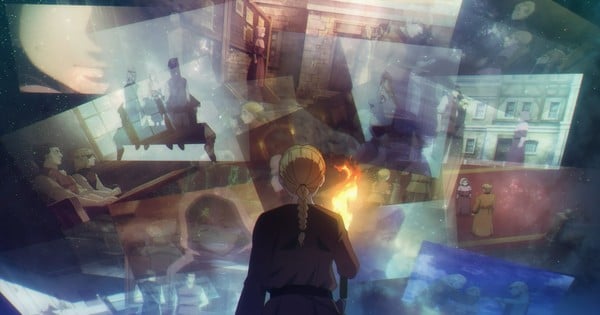
Figure: Draka’s conversations reveal diverse perspectives on death.
Technology and Its Double-Edged Sword
Another intriguing character, Schmidt, offers an expansive view on death. His cynicism towards human institutions is informed by a broader contemplation of humanity’s historical trajectory. Schmidt perceives technology as a catalyst for wartime atrocities, a view that resonates with audiences aware of the dark side of technological progress. Yet, Draka provides a counter-argument, drawing from Aristotle’s philosophies. She posits that technology, despite its potential for harm, is an indispensable tool for accomplishing what nature alone cannot.
This episode’s discussion on technology highlights the complex interplay between advancement and ethical considerations. Schmidt’s acknowledgment of using technology to counteract its own effects exemplifies the ironic relationship humanity has with its creations. This theme is further emphasized by Jolenta, whose ideological stance contrasts with Schmidt’s; where he sees only decay, she sees human progress as an extension of divine will.
Jolenta’s Optimism vs. Schmidt’s Misanthropy
Jolenta stands as an idealist, her beliefs rooted in the continuum of history, literacy, science, and faith in human potential. Her optimism sees humanity as an evolving entity, gradually advancing towards enlightenment. She values history and literacy as means to understand the broader narrative of human progress, creating a stark contrast to Badeni’s fear of mass literacy leading to the dilution of meaningful discourse.
Jolenta’s story is a testament to the hope that understanding history can guide future generations towards better choices. Yet, this optimism does not come without its challenges. Her internal struggle to maintain objectivity amidst personal connections becomes a focal point of her story, culminating in a dramatic scene where she stands resolute against the forces that seek to undermine her beliefs.
Thematic Density and Dramatic Execution
This episode of "Orb" is noteworthy for its thematic richness, which is masterfully intertwined with character-driven drama. The powerful imagery of Nowak holding his daughter’s severed arm after seeking vengeance is hauntingly poignant, encapsulating the tragedy of human conflicts. "Orb" continues to captivate with its ability to interlace philosophical depth with compelling narratives, making it a standout in the realm of period dramas.
Moreover, the localization work by Brad Plumb deserves mention. The series’ intricate dialogues and philosophical musings have been expertly translated, maintaining their complexity while ensuring accessibility for a wider audience.
Final Thoughts
Episode 20 of "Orb: On the Movements of the Earth" is a profound exploration of human convictions, beliefs, and the inevitable confrontation with mortality. Through its characters, the series offers an introspective look into philosophies that drive humanity forward, even in the face of uncertainty. This episode is a testament to the series’ success in merging deep-seated themes with engaging storytelling, continually drawing viewers into its rich narrative tapestry.
As we reflect on the themes presented, it’s essential to acknowledge the balance between accepting the mysteries of existence and striving for progress. "Orb" remains an exemplary series for its thematic heft, emotional resonance, and skillful execution, making it a must-watch for audiences seeking more than mere entertainment.
Orb: On the Movements of the Earth is currently streaming on Netflix.