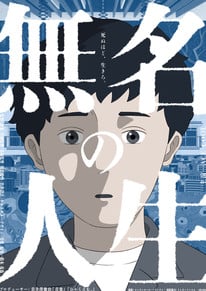
Exploring "Jinsei": A Unique Anime Experience
The world of anime is ever-evolving, and "Jinsei," a film by Ryūya Suzuki, is a testament to this dynamic landscape. This animated feature takes viewers on a century-spanning journey, weaving a tapestry of life’s poignant and often turbulent realities.
Synopsis: A Journey Through Life
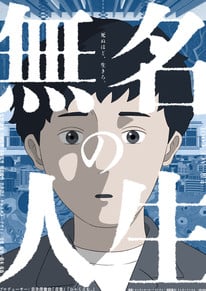
From birth to death, each person navigates life with various nicknames, some flattering and some not. The film illustrates the protagonist’s rise amidst personal and societal challenges, from elderly drivers to the entertainment industry’s darker aspects.
An Ambitious Visual and Narrative Undertaking
Ryūya Suzuki’s debut in "Jinsei" is nothing short of impressive. Crafting a film alone—from writing to animating—Suzuki showcases independent filmmaking’s potential. The film’s unique influences range from Norwegian comedy-drama to Kubrick’s "2001: A Space Odyssey," offering a fresh narrative style and visual experience.
The Story Arc
The narrative begins in the early 2000s with a tragic incident involving elderly drivers, propelling our nameless protagonist into a complex life journey. Emphasizing anonymity, he acquires multiple nicknames, such as God of Death and God, revealing his character’s depth.
Suzuki’s storytelling is both simple and profound. Drawing parallels to Frank Capra’s "It’s a Wonderful Life," the film is divided into life chapters that audiences must piece together, creating an engaging viewing experience.
Exploration of Fame and Identity
In its middle sections, "Jinsei" delves into the perils of fame and the entertainment industry’s harsh nature. The friendship with an aspiring idol adds depth to the narrative, exploring themes of loneliness and ambition. Rapper Ace Cool’s voice performance lends vulnerability, making the protagonist’s journey relatable yet enigmatic.
The Visual and Artistic Nuance
Suzuki employs minimalist visuals, favoring character expressions and frames over elaborate backgrounds. This choice effectively conveys the protagonist’s disconnection from life’s beauty. Yet, the film’s final act transitions into a vivid, surreal portrayal of the future, offering visual splendor akin to Kubrick’s work.
A Shift in Tone
Though the abstract turn enriches the film’s narrative exploration, it sometimes detracts from its grounded beginnings. This shift, while narratively bold, occasionally sacrifices earlier simplicity for more speculative storytelling.
Critical Acclaim and Artistic Merit
"Jinsei" has garnered praise for its ambitious character study, compelling visual style, and superb voice acting. Nevertheless, it’s not without flaws—the narrative sometimes loses cohesion in its quest for abstraction.
Ratings
- Overall: B+
- Story: B
- Animation: A-
- Art: B+
- Music: B
Positive Aspects: A unique character study with a broad scope and strong visuals.
Negative Aspects: The climax ventures into abstraction, departing from earlier narrative simplicity.
Final Thoughts
"Jinsei" stands as a bold foray into independent anime filmmaking. It captivates with imaginative storytelling and visual elegance, though at times it prioritizes ambition over coherence. Ryūya Suzuki’s work sparks interest in the future of Japanese animation, inviting viewers to ponder life’s complexities through a creative lens.
For more insights on innovative filmmaking, explore independent film resources for broader perspectives.
Note: The link provided is an example to demonstrate the inclusion of no-follow external links.